Guide to Prevent Cavities with Simple Oral Hygiene…
You brush every morning and night. You still ended up with a cavity at your…
Read More


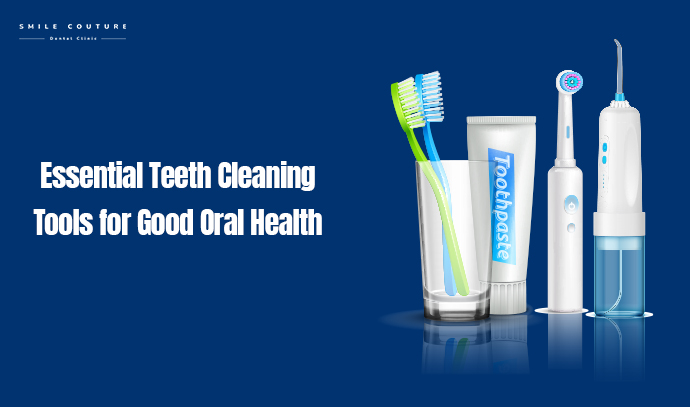
It is crucial for your oral hygiene tools to clean every surface properly. Otherwise, you can develop several dental issues. Note that brushing alone cannot reach tight spaces, gumline areas or the tongue coating that holds bacteria. A good routine needs the correct toothbrush and fluoride toothpaste. Along with this, you should also have floss and a tongue scraper.
Smile Couture guides patients with good oral care advice that suits their teeth, gums and lifestyle. The clinic focuses on preventive dentistry, modern cleaning technology and personalised hygiene instructions so small problems do not turn into painful dental issues. Our Lokhandwala dental clinic also helps nearby families get timely checkups and professional cleanings.
This guide is written by an expert dentist from Smile Couture Dental Clinic to help you choose each tool with confidence. Keep reading to build a simple, effective oral hygiene routine that protects your smile every day and makes dental visits feel safer and far less stressful.
The essential daily tools for good oral health include a soft toothbrush, fluoride toothpaste, dental floss, interdental brushes, tongue scraper and antimicrobial mouthwash.
These tools clean different areas of the mouth. A toothbrush cleans broad tooth surfaces. Floss cleans tight spaces. A tongue scraper removes odor causing bacteria. Mouthwash helps reduce bacteria after brushing and flossing.
Electric toothbrushes clean better because oscillating bristles move faster and support better plaque removal efficiency.
A good electric brush can remove about 21% more plaque than a manual brush when people use it daily. Built in 2 minute timers also help you brush for the right duration. Pressure sensors can warn you when you brush too hard.
A soft bristled manual toothbrush also works well when you use the correct brushing technique. Hold it at a 45 degree angle only towards the gumline. Then, use small circular motions instead of hard scrubbing and replace your brush or the brush head every 3 months.
Fluoride toothpaste supports the enamel and restores its minerals. Along with this, for protecting your enamel further, it makes weak spots stronger after acid attacks.
Bacteria in that plaque produce acids after you eat sugar or refined carbs. These acids pull minerals from enamel and fluoride helps return minerals to all weak areas before cavities form there.
Choose toothpaste with 1000 to 1500 ppm fluoride for adults. Use a pea sized amount for each brushing session. Do not rinse heavily with water after brushing. Spit out the foam so fluoride stays on the teeth longer.
Dental floss cleans interdental spaces and removes gumline plaque that a toothbrush cannot reach.
Brushing can miss almost 40% of plaque between teeth. Floss slides into these tight spaces and disrupts sticky debris before it hardens into tartar.
Use about 18 inches of floss. Wrap it around both middle fingers. Curve it into a C shape around each tooth. Move it gently up and down 5 to 6 times. Floss picks help when you need quick cleaning, but string floss gives better control.
You should use interdental brushes when you have wider gaps, braces, bridges, implants or spaces where floss might feel loose.
These small cone shaped brushes clean spaces wider than about 0.6 mm. They work well around dental bridges and orthodontic wires. They also help people with gum recession where gaps become wider.
Choose a size that enters the space with gentle resistance. Do not force it between tight teeth. Insert it straight, move it in and out 2 to 3 times, then rinse it after use.
A tongue scraper removes the bacterial coating that causes bad breath and supports cleaner oral hygiene.
The back part of the tongue holds food debris, dead cells and bacteria. This coating can act like a bacterial reservoir. It may also contribute to halitosis.
Use the scraper after brushing. Place it gently toward the back of the tongue. Pull it forward in one smooth stroke. Repeat 5 to 7 times. Rinse the scraper after every stroke.
Antimicrobial mouthwash helps reduce bacteria that brushing and flossing may miss.
Ingredients like chlorhexidine or cetylpyridinium chloride can support gingivitis prevention. Some mouthwashes may reduce gum inflammation risk by about 21% when used correctly.
Use mouthwash after brushing and flossing. Swish for 30 seconds, then spit it out. Avoid food and drinks for 30 minutes after rinsing. Choose alcohol free mouthwash if your mouth feels dry or sensitive.
Supplementary tools like water flossers and dental mirrors improve cleaning when regular tools do not give enough access.
They help people with braces, implants, bridges, sensitive gums or deep gumline plaque.
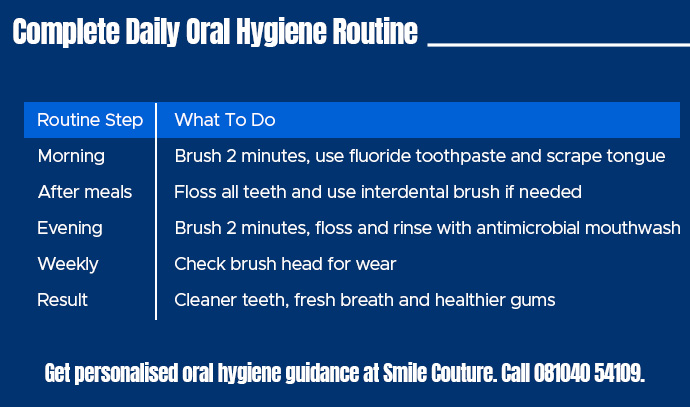
The right tools clean tooth surfaces, tight gaps, gumline areas and the tongue in a complete way.
Oral hygiene: best practices & instructions for good routine means using tools that match each area of your mouth. A brush alone cannot remove all plaque. Floss, tongue cleaning and mouthwash support debris elimination and preventive care.
A complete routine can remove up to 99% of plaque and debris when you use each tool correctly. This lowers the risk of cavities, gum disease and bad breath.
You can build a strong oral care kit at any budget by choosing tools that clean the mouth fully, not just expensively.
| Budget Level | Recommended Tools |
|---|---|
| ₹500 to ₹800 | Soft manual brush, fluoride toothpaste, waxed floss and tongue scraper |
| ₹2000 to ₹3500 | Basic electric brush, interdental brushes and alcohol free mouthwash |
| ₹5000 and above | Electric brush with pressure sensor, water flosser and therapeutic mouthwash |
Start with the basic kit if you want cost effective care. Upgrade only when your dentist recommends it. People with braces, implants or wider gaps benefit from premium tools.
Common mistakes include using hard brushes, brushing too soon after acidic foods, flossing harshly and skipping tongue cleaning.
Home tools cannot help you remove tough and hard tartar or deep gum infection that already need clinical care.
Hence, visit a dentist if bleeding gums continue after 7 to 10 days of proper cleaning. You should also book a checkup for chronic bad breath, visible tartar, tooth sensitivity, gum recession or loose teeth.
Many people search for a dental clinic near me when home care stops working. A professional cleaning removes tartar that brushes and floss cannot break. A dentist near me can also check whether your symptoms need scaling, gum care or cavity treatment.
Smile Couture offers preventive dentistry, professional consultation and personalised guidance. These help you understand the concept of daily oral hygiene better.
Good care at home can really protect your teeth only when you use the right tools in the right way. Smile Couture supports this need with preventive dental checkups, ultrasonic scaling, polishing, gum care and personalised brushing guidance for every age group. Hence, Smile Couture gives cosmetic and restorative dentistry in Andheri West.
Well, we at Smile Couture also focus on “More Prevention, less cure,” which supports early detection of cavities, gum disease and other oral health issues.
If you need a trusted dental clinic in Lokhandwala, Smile Couture offers convenient access near Oshiwara, Andheri West. The listed clinic number is +91 81040 54109.
How long should you wait to brush after eating?
You should wait at least 30 minutes after eating, especially after acidic foods. This prevents enamel from softening and getting damaged during brushing.
Is it okay to brush your teeth more than twice a day?
Yes, you can brush 2 to 3 times daily if you use a soft brush and gentle technique. Overbrushing with force can harm gums and enamel.
Can mouthwash replace brushing or flossing?
No, mouthwash cannot replace brushing or flossing. It only supports bacterial reduction and fresh breath but does not remove plaque buildup.
How do you know if your brushing technique is wrong?
You may notice bleeding gums, sensitivity or plaque near the gumline. These signs mean your brushing technique needs correction.
Do you need different tools if you have braces or implants?
Yes, braces and implants need extra tools like interdental brushes and water flossers. These help clean areas regular brushes cannot reach.
You brush every morning and night. You still ended up with a cavity at your…
Read More
Searching for the most advanced dental clinic in Lokhandwala, or just typed “dentist near me”…
Read More
Most people don’t avoid the dentist because they’re lazy. They avoid it because they don’t…
Read More
Trying to figure out whether you need a smile makeover or full mouth rehabilitation? They…
Read More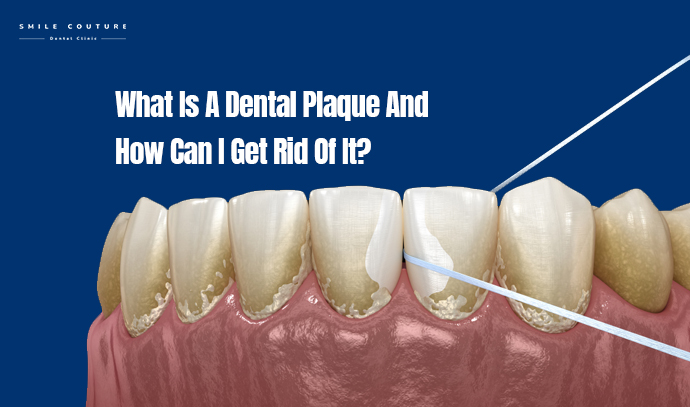
Dental plaque is a soft, sticky layer of germs that keeps forming on your teeth…
Read More It is crucial for your oral hygiene tools to clean every surface properly. Otherwise, you…
Read More
You may feel fine about your teeth on most days, then notice the same thing…
Read More
The gum disease treatment cost in Mumbai can start from ₹2,000 for early care and go much…
Read More
A wisdom tooth starts aching, a swelling appears near the gum, or you are planning…
Read More
Location: Andheri West, Mumbai, Maharashtra 400053
Phone: +91 93264 52609
